

Weddings in Montreal and Quebec are a true reflection of cultural diversity and modern elegance. This region is home to some of the most stunning celebrations in Canada, blending traditions from across the world with fresh, contemporary trends. From Persian and Italian weddings filled with rich symbolism, to classic French-Canadian ceremonies and multicultural celebrations, couples here often choose to honor their roots while adding a modern twist.
At Tiara Studio, we’ve had the privilege of documenting countless weddings where tradition meets creativity. We’ve captured the intricate details of a Persian sofreh aghd carefully arranged in a chic Montreal wedding venue, the emotional beauty of a Catholic mass in Old Quebec, and vibrant receptions filled with international music and cuisine.
For couples searching for timeless wedding photography in Montreal, the city offers a mix of backdrops—romantic Old Montreal streets, elegant ballrooms, and scenic parks—each telling its own story. Meanwhile, wedding photography in Quebec often highlights the province’s historic charm and breathtaking natural settings, from cobblestone villages to sweeping landscapes.
What makes weddings here so unique is the balance between heritage and innovation. By combining cultural rituals with modern décor, fashion, photography, and videography, couples create celebrations that are both authentic and unforgettable. Every photo becomes more than just an image—it’s a piece of living history that reflects love, family, and cultural pride.
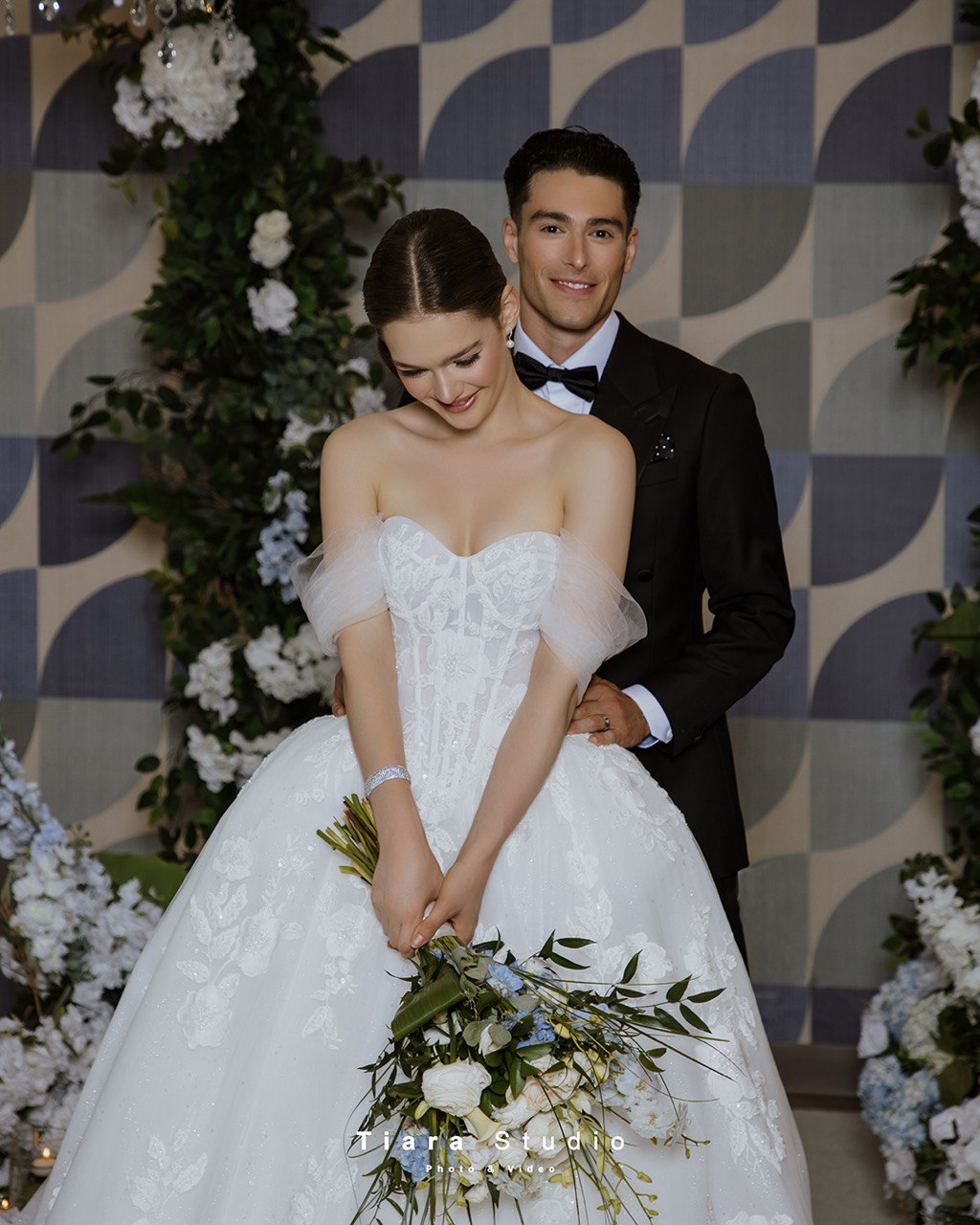
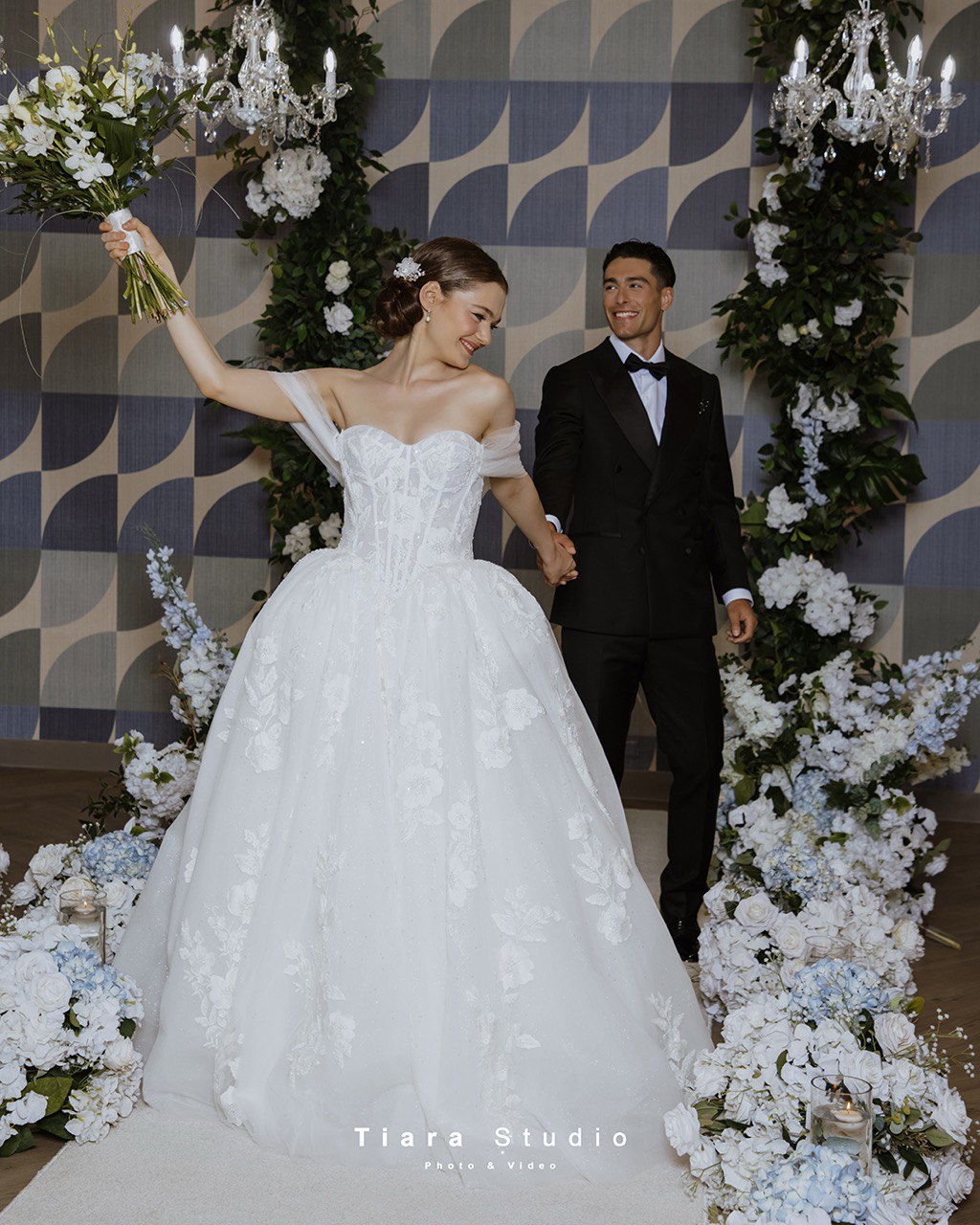
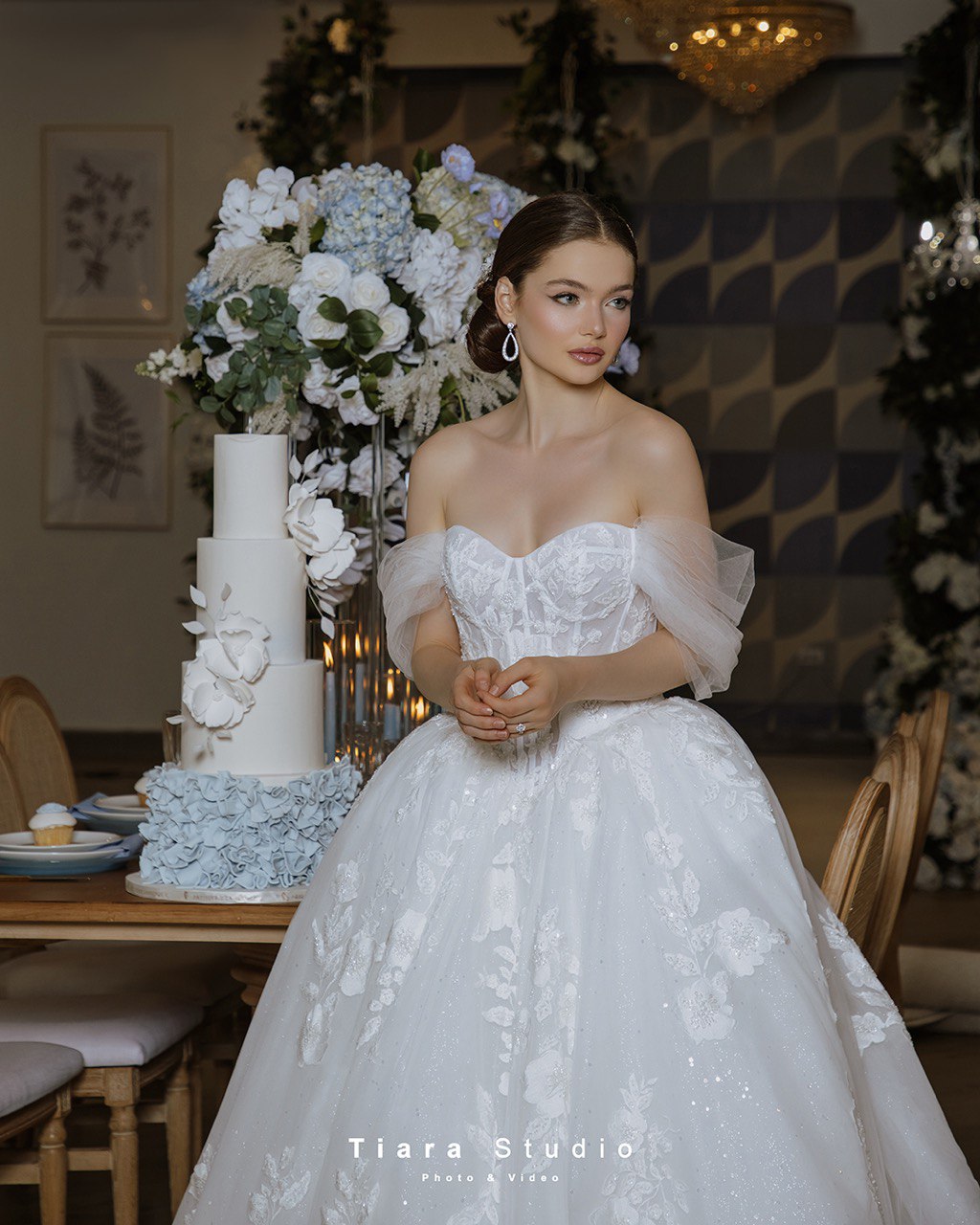
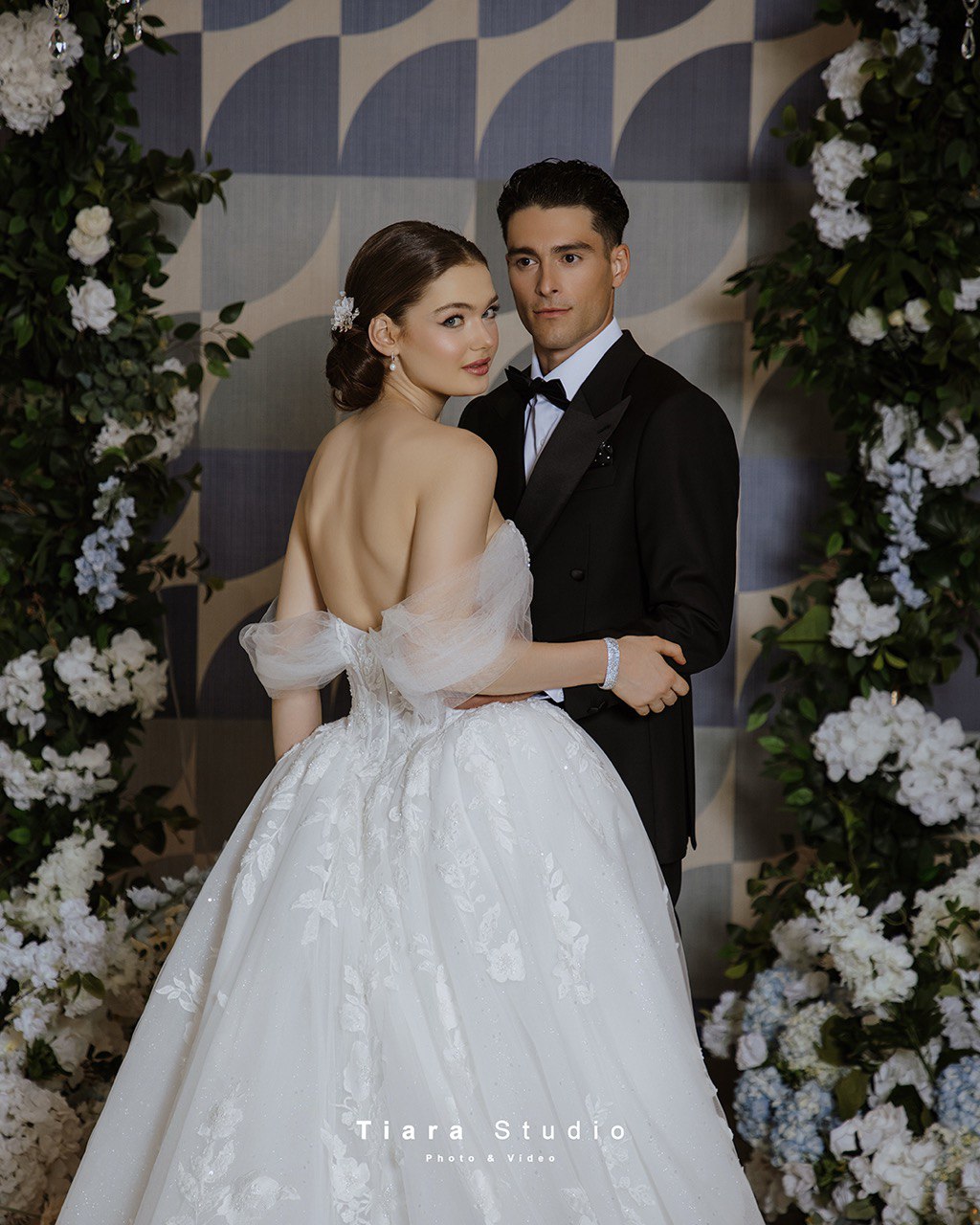
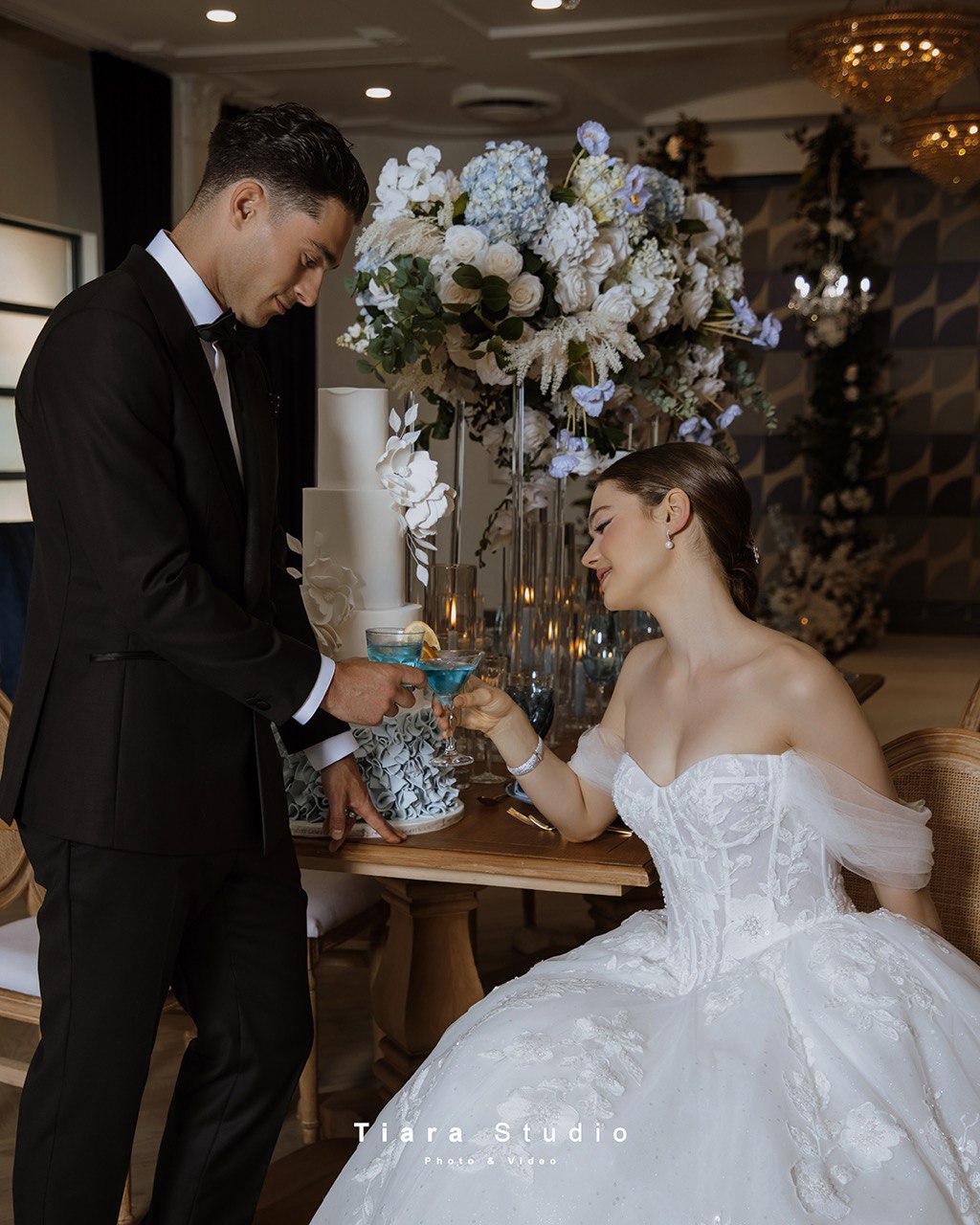
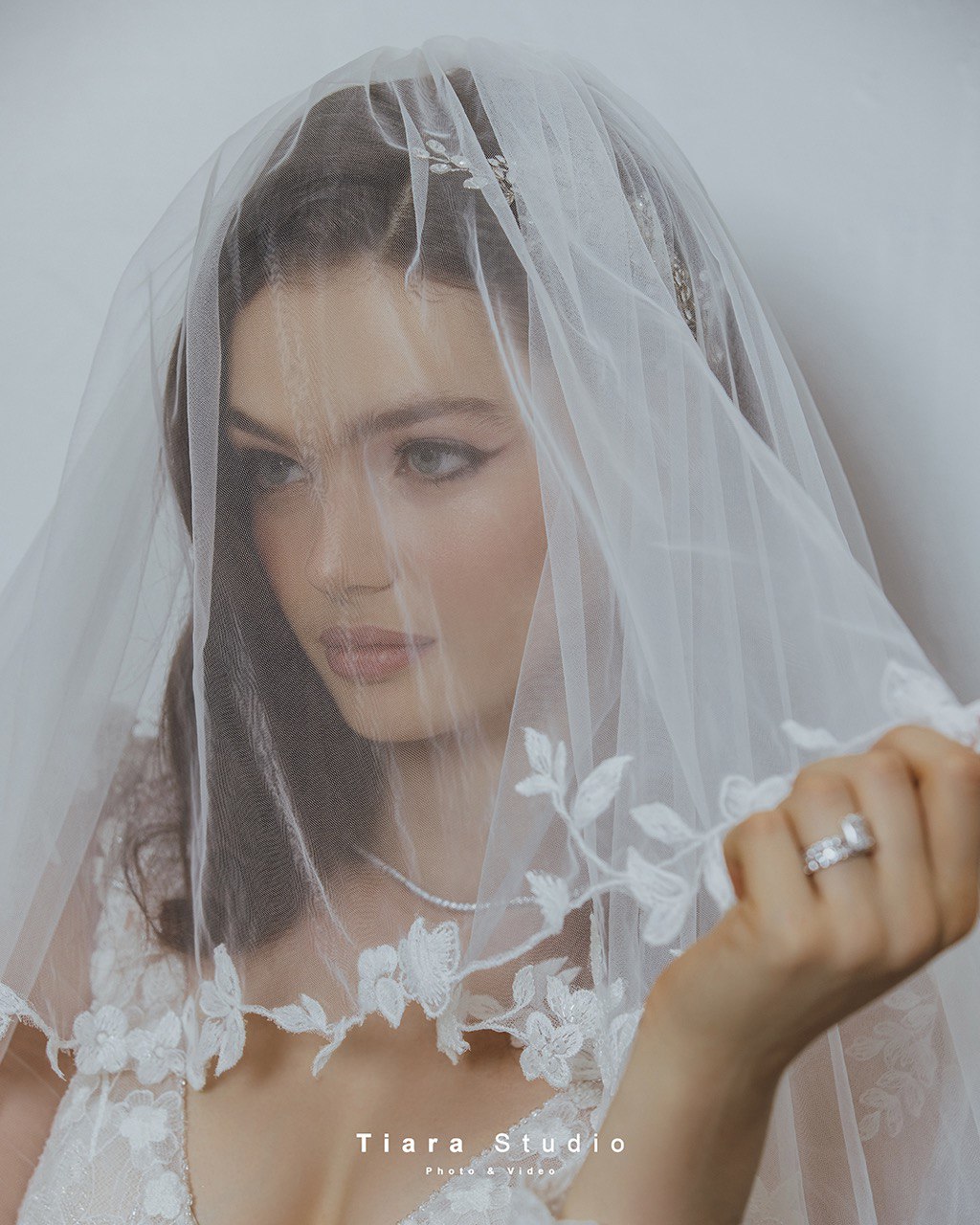
French-Canadian Wedding Traditions
French-Canadian weddings are a rich blend of history, faith, and family values. While many modern couples adapt traditions to suit their style, the cultural roots of these weddings remain strong. From church ceremonies to lively receptions filled with music and food, the emphasis is always on unity, celebration, and togetherness.
Catholic Ceremonies and Family Focus
For generations, Catholic ceremonies have been at the heart of French-Canadian weddings. Many couples still choose to marry in a traditional Catholic Mass, which includes scripture readings, hymns, and the exchange of vows and rings. What makes these ceremonies unique is the deep involvement of family. Parents and grandparents often play symbolic roles such as lighting unity candles or offering blessings. Even when couples opt for modern receptions afterward, the church ceremony provides a sense of heritage and a sacred foundation for their marriage.
La Danse du Souliers (The Shoe Dance)
One of the most beloved French-Canadian wedding customs is La Danse du Souliers, or “The Shoe Dance.” During the reception, guests place money into the bride’s shoe—or in some versions, into a decorated container—while she dances. In other variations, guests “pay” to dance with the bride or groom for a few moments. Beyond being fun and interactive, this tradition symbolizes community support for the couple as they begin their new life together. It’s both a celebration and a practical way to contribute to the couple’s future.
Music, Food, and Large Gatherings
The reception is where French-Canadian weddings truly come alive. Lively music, often featuring fiddles, folk tunes, or French classics, fills the dance floor as guests of all ages join in. Food is equally central, with traditional dishes such as tourtière (meat pie), pea soup, and maple-infused desserts served alongside modern favorites. Even in large gatherings, the atmosphere feels warm and personal, with tables arranged to keep families close and conversation flowing. The result is a celebration that honors both heritage and joy, leaving lasting memories for everyone present.
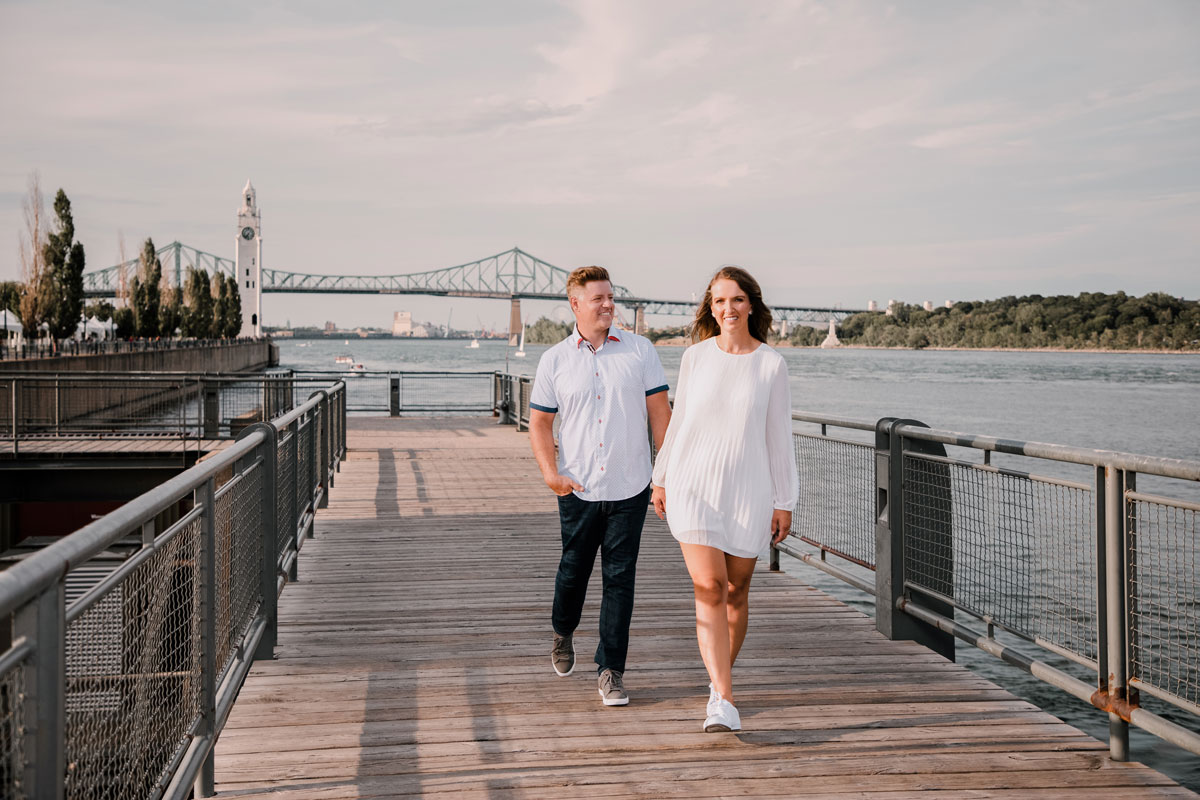
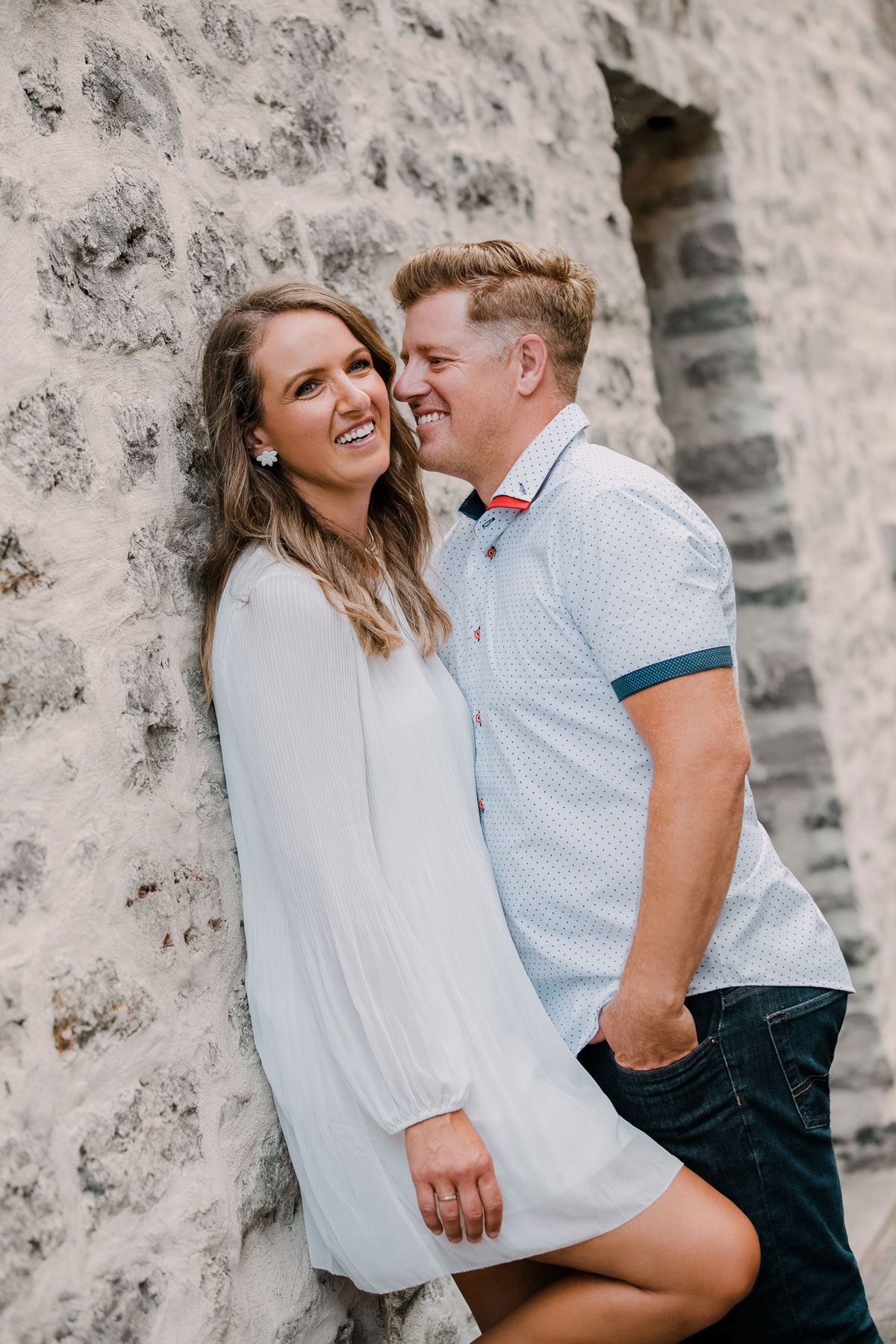
Indigenous wedding traditions in Canada
Indigenous wedding traditions in Canada, particularly in Quebec, are deeply spiritual and rooted in respect for nature, community, and ancestry. These customs bring a sacred dimension to modern weddings, and many couples in Montreal and Quebec choose to incorporate elements of Indigenous practices into their ceremonies—whether to honor their own heritage or to embrace the cultural richness of the land. For photographers, these moments offer some of the most powerful and meaningful images, blending ritual with artistry.
Smudging Ceremony and Sacred Circle
One of the most significant Indigenous wedding practices is the smudging ceremony. Using sacred herbs such as sage, cedar, or sweetgrass, the smoke is passed around the couple and guests to cleanse the space of negative energy and invite blessings. Another central tradition is the sacred circle, where the couple and their families form a circle symbolizing equality, unity, and the eternal nature of love. For wedding photography in Quebec, these moments create incredibly symbolic and emotional images—capturing not just an event, but a living tradition.
Traditional Songs and Drumming
Music plays a central role in Indigenous weddings, often led by singers and drummers who perform traditional songs that call on ancestors and celebrate love. The steady rhythm of the drum is known as “the heartbeat of Mother Earth,” grounding the ceremony in spirituality and nature. For couples choosing wedding photography in Montreal, the combination of song, rhythm, and cultural attire creates a vi
Honoring Nature and Spiritual Balance
Indigenous weddings also place deep emphasis on nature and balance. Ceremonies are often held outdoors—by rivers, in forests, or on ancestral lands—so that the couple is surrounded by natural elements. Symbols like feathers, water, and fire are incorporated to represent harmony and the four directions. For wedding photography in Quebec, these settings are breathtaking, offering wide landscapes, soft natural light, and a profound connection to the land. The result is imagery that goes beyond aesthetics, capturing spiritual meaning and cultural pride.
Modern Multicultural Weddings in Montreal & Quebec
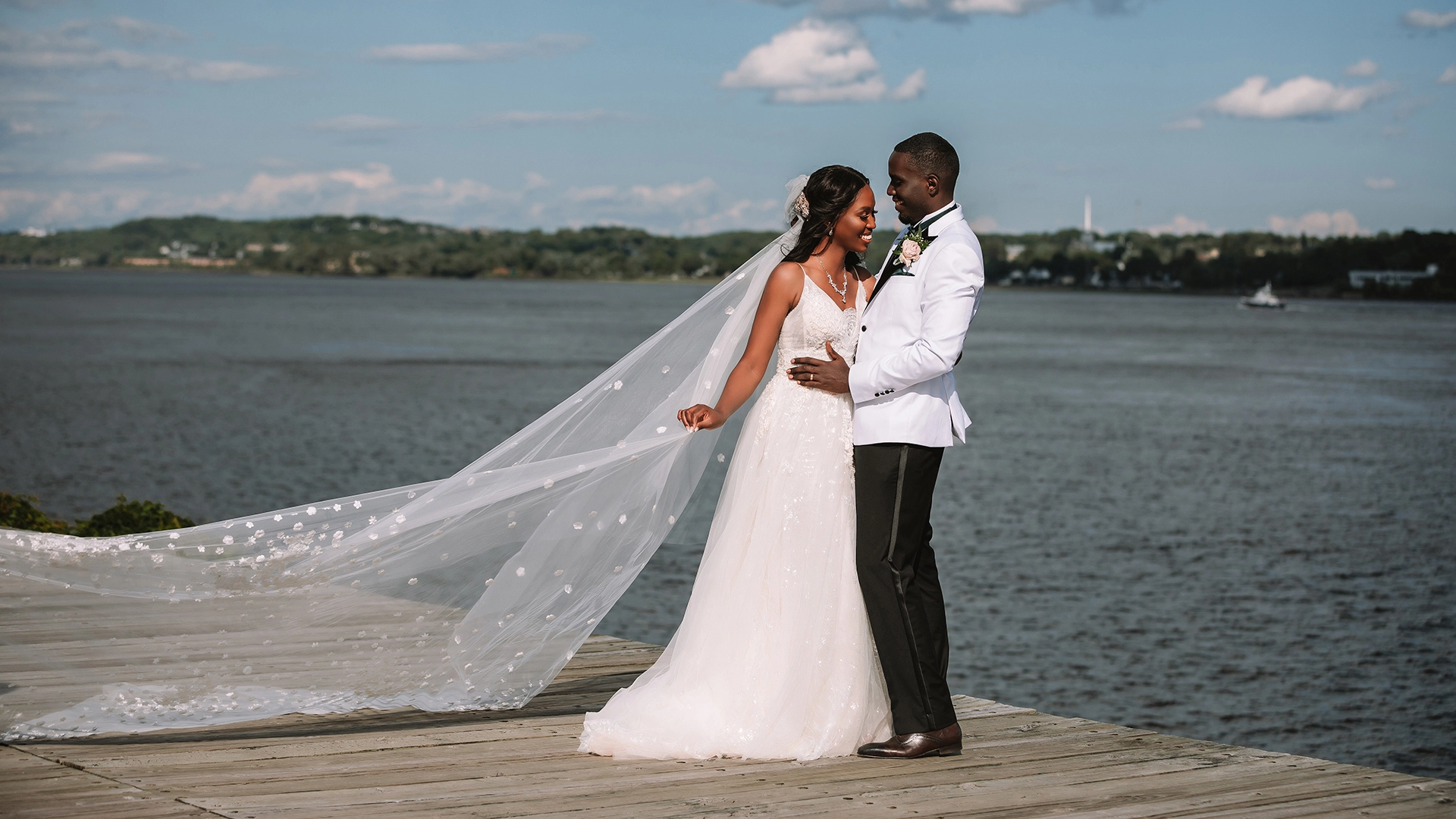
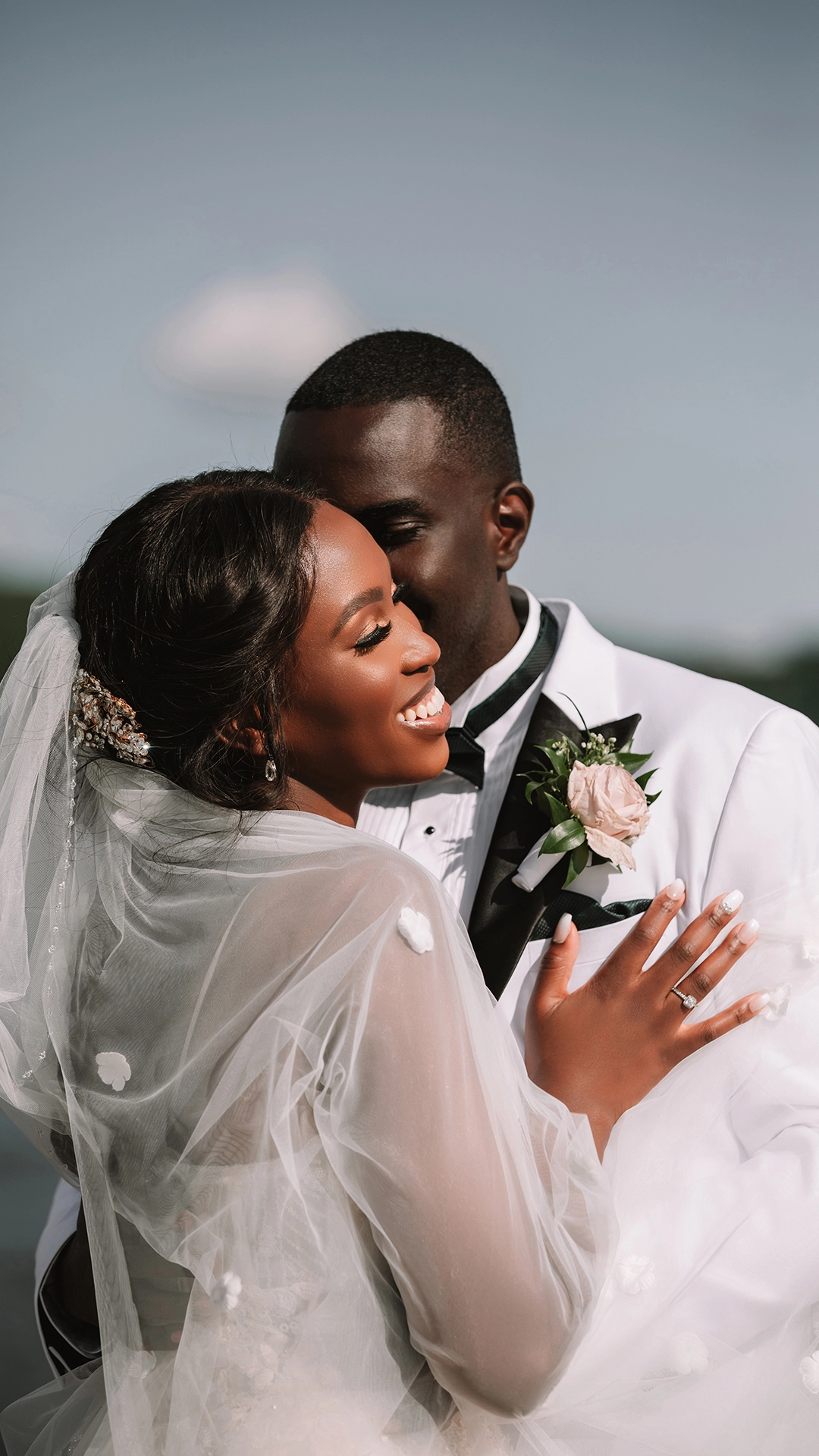
Montreal and Quebec are home to some of the most vibrant and diverse wedding traditions in Canada. Couples here often blend cultural rituals with modern aesthetics, creating celebrations that are deeply personal and visually stunning. From micro weddings in Montreal to grand multi-day events, multicultural influences bring color, symbolism, and heart into every detail.
Persian Weddings in Montreal (Sofreh Aghd, Symbolic Traditions)
Persian weddings are rich in symbolism, and Montreal has become a hub for couples looking to bring this tradition to life. The sofreh aghd—a beautifully decorated spread filled with symbolic items like mirrors, candles, honey, and sweets—represents prosperity and unity. These ceremonies often take place in elegant city venues, combining tradition with modern décor. For couples planning a micro wedding in Montreal, the sofreh can be adapted for smaller spaces without losing its beauty. Capturing these moments requires a keen eye, and both photography and a skilled wedding videographer in Montreal ensure that the intricate details of the ceremony are preserved forever.
Italian and Greek Influences (Family-Style Dining, Music, and Dance)
Italian and Greek weddings are centered on family and community. Long banquet tables filled with family-style meals, lively music, and hours of dancing define these traditions. In Montreal, many venues offer space for this style of celebration, where food and togetherness are as important as the vows themselves. Photographers and videographers often highlight the joy of group dances, the breaking of plates (in Greek traditions), or the toast of wine, capturing the spirit of a culture where weddings are as much about the families as the couple.
South Asian Weddings (Color, Rituals, Multi-Day Celebrations)
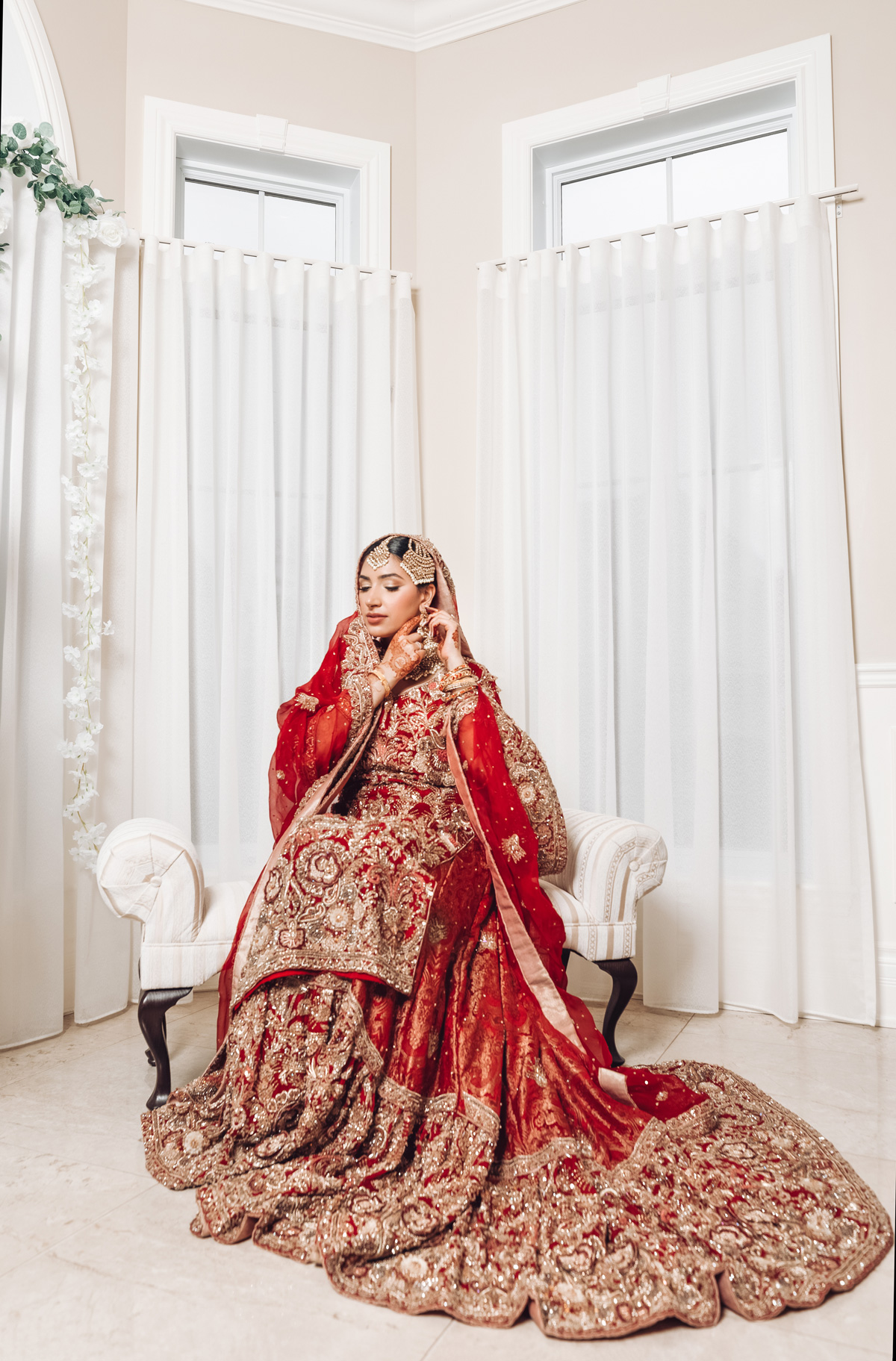
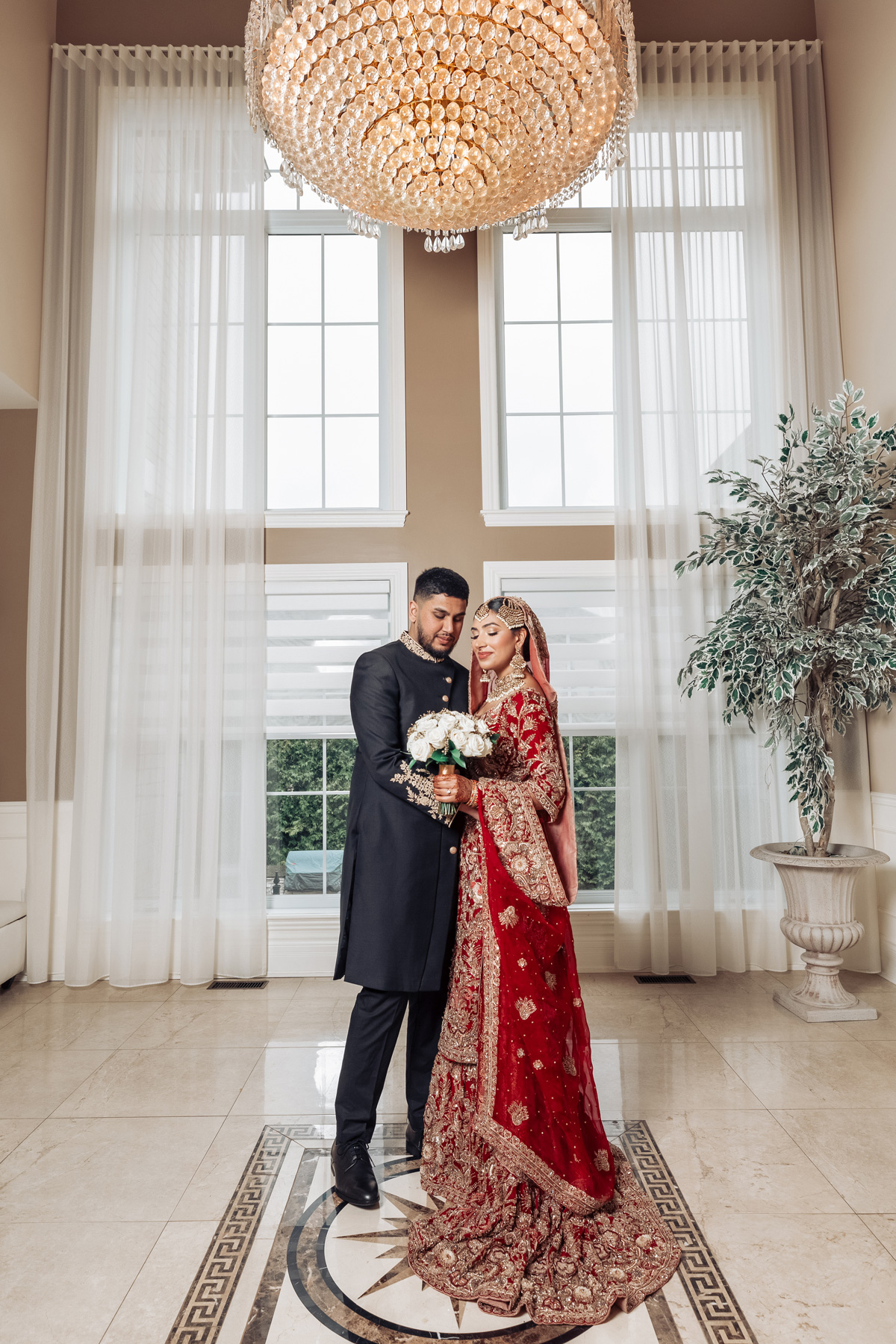
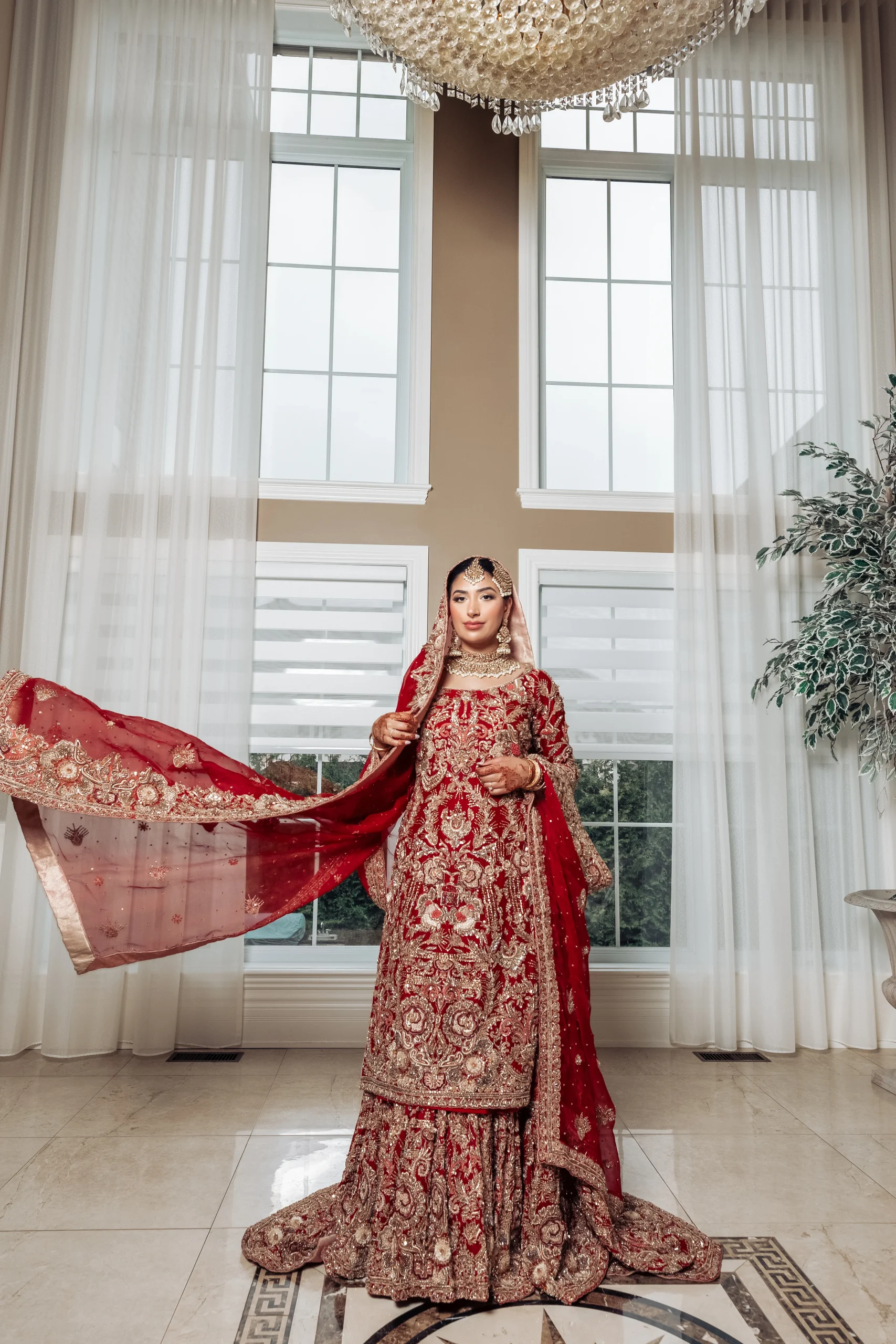
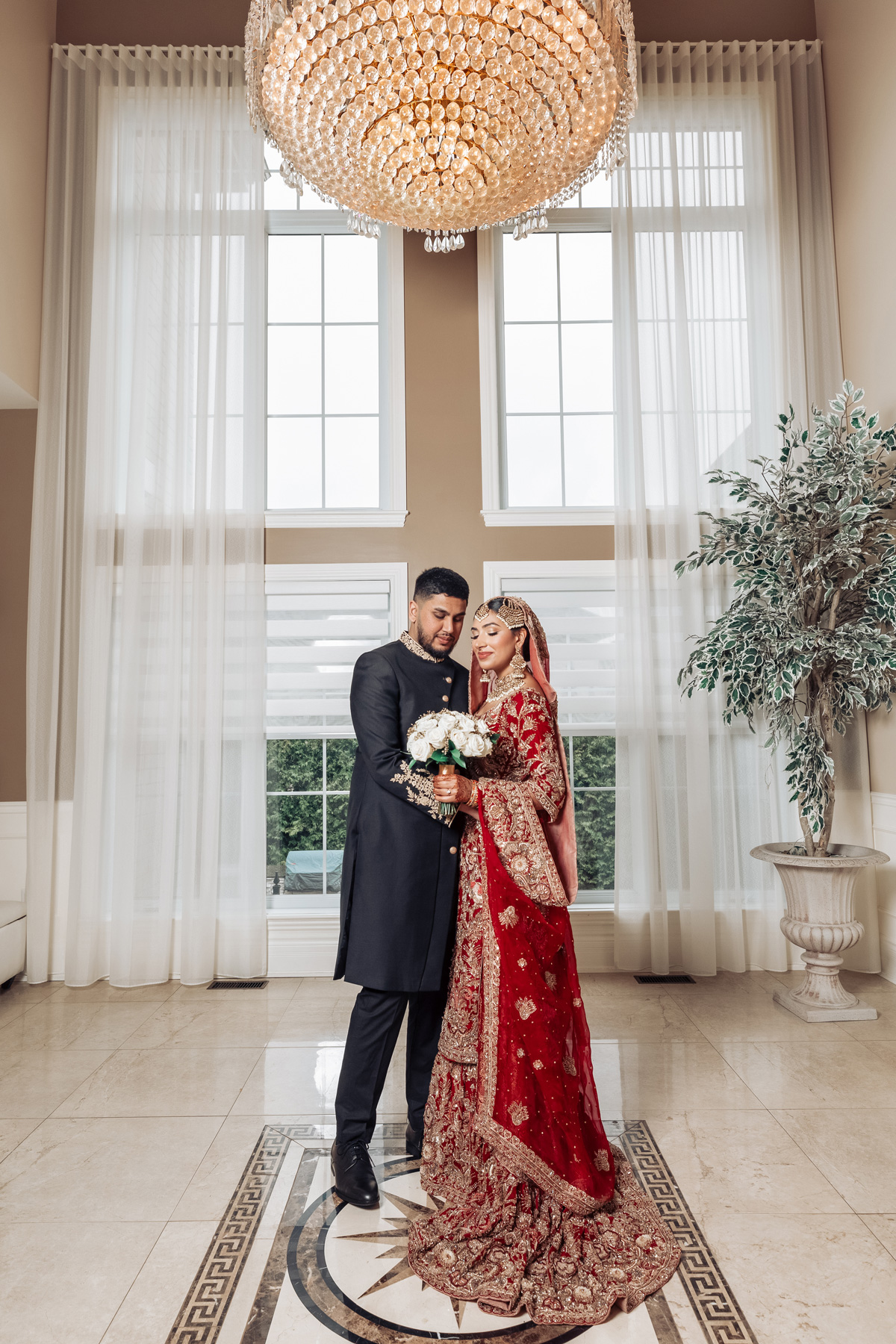
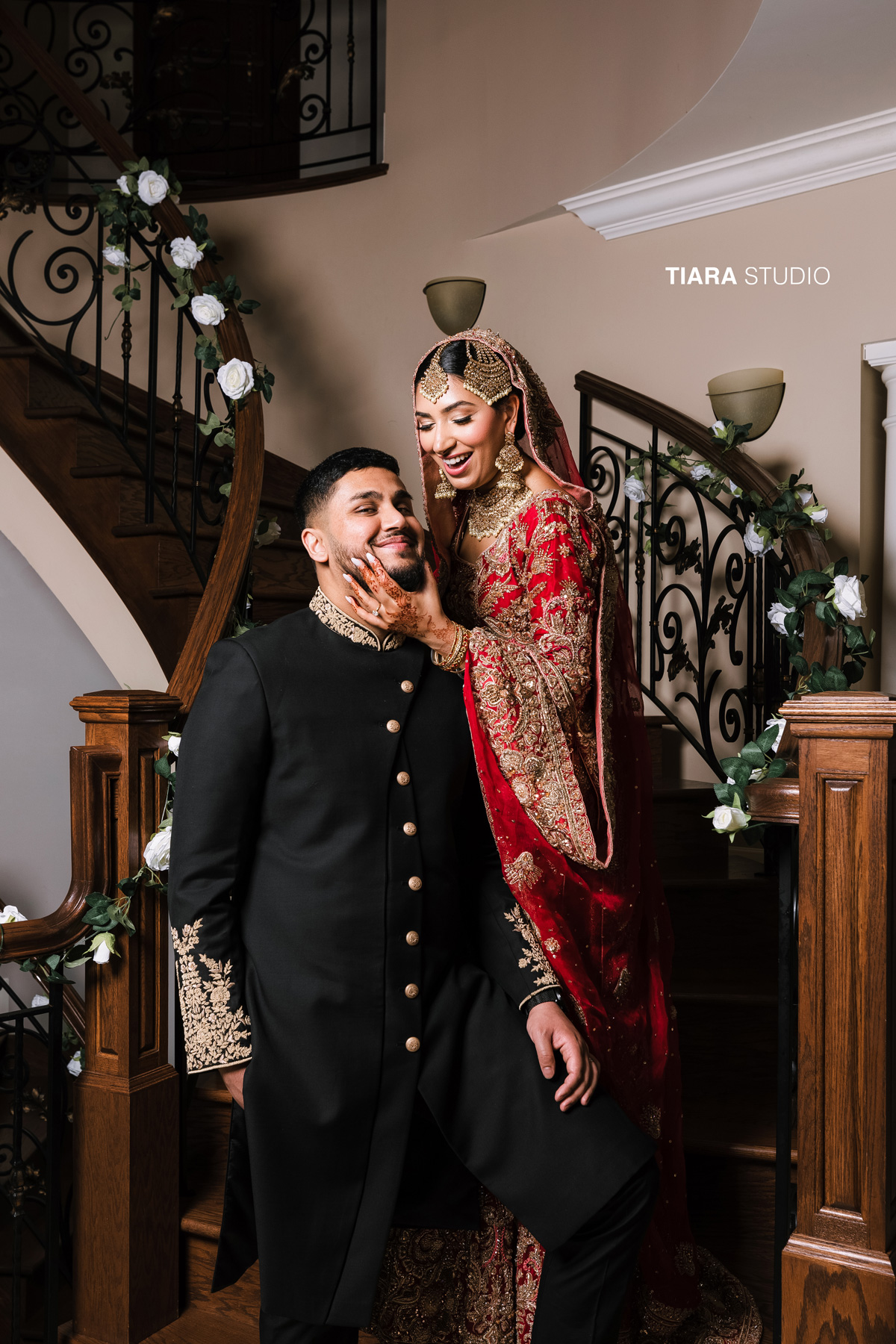
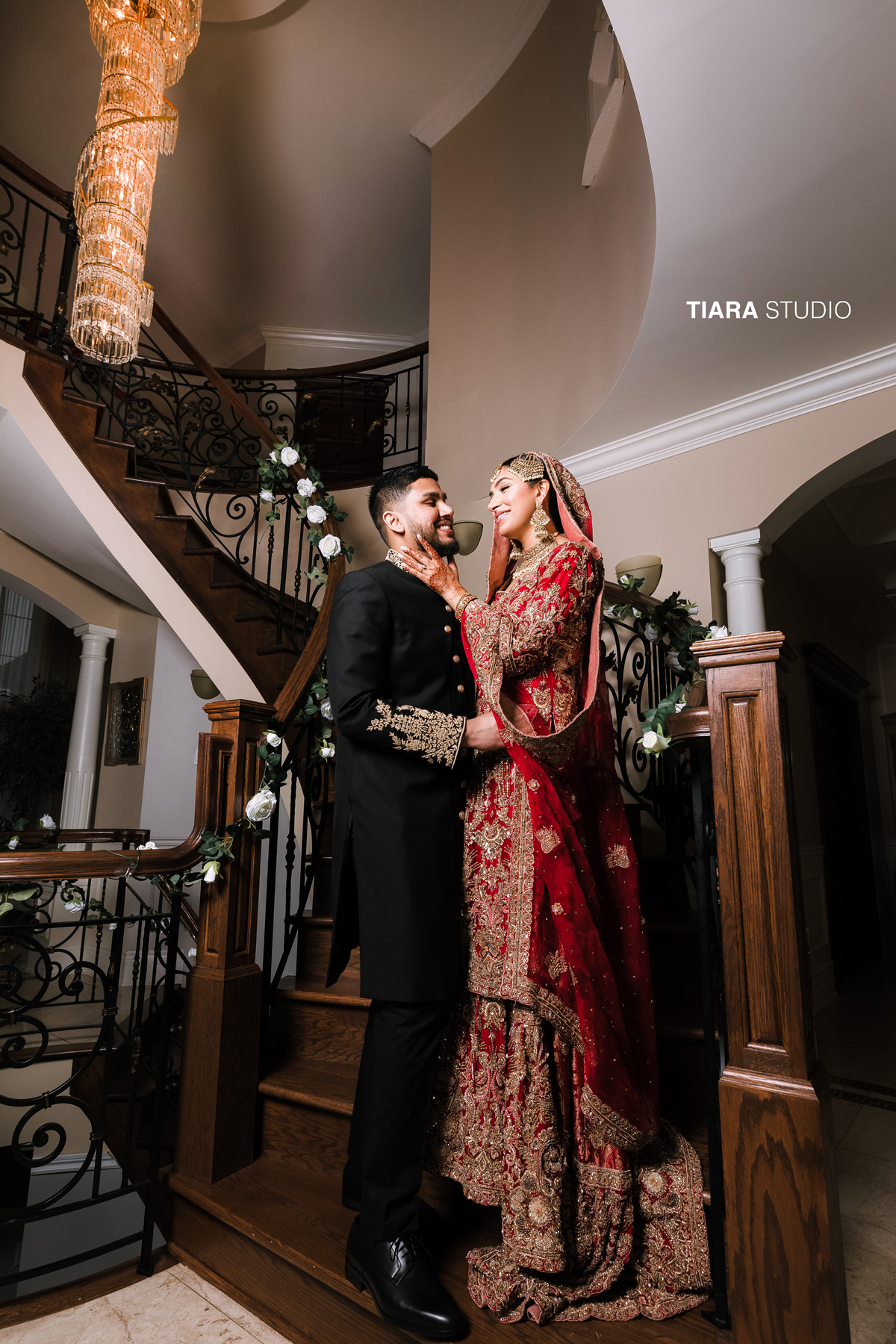
South Asian weddings—whether Indian, Pakistani, or Bangladeshi—are some of the most visually stunning celebrations in Quebec. These weddings often span several days with events like the Mehndi, Sangeet, and traditional ceremonies, each rich in rituals and color. Bright saris, intricate jewelry, and sacred customs create countless opportunities for artistic wedding photography in Quebec. Videography also plays a huge role in these weddings, as cinematic films help couples relive multi-day events with all the music, emotion, and traditions intact.
Blended Ceremonies for Multicultural Couples
Montreal is also home to many couples who come from different cultural backgrounds and want to honor both sides of their heritage. Blended ceremonies are a beautiful way to create something unique—perhaps combining a Catholic church service with a Persian sofreh, or a South Asian Mehndi followed by a Western-style reception. These weddings often balance tradition with intimacy, making them perfect candidates for micro weddings in Montreal. For couples choosing both photography and a wedding videographer in Montreal, blended weddings offer endless creative opportunities to showcase how two cultures become one love story.
Modern Trends and Adaptations
Weddings in Quebec have always been a blend of heritage and modern flair, but in recent years, couples are leaning even more toward personal expression. These are not just ceremonies—they are creative, intimate, and highly curated experiences. From micro-weddings in Montreal to bold décor choices, these are the top wedding trends in Quebec that every couple should know about.
Micro-Weddings and Elopements
One of the biggest wedding trends every Montreal couple should know is the rise of micro-weddings and elopements. Instead of planning a 300-guest celebration, many couples are choosing smaller gatherings with just their closest family and friends. The advantage? More intimate moments, personalized details, and budget flexibility.
Montreal is ideal for this style of wedding, with boutique venues, heritage lofts, and outdoor spaces like Mount Royal Park offering stunning backdrops. For couples who want both simplicity and elegance, a micro-wedding in Montreal can feel just as grand as a larger event—while keeping the focus on love and connection.
Fusion of Traditional Rituals with Contemporary Décor
Another growing trend is the fusion of cultural traditions with modern aesthetics. Couples in Quebec often blend rituals—whether it’s a Persian sofreh aghd, a Catholic mass, or a South Asian mehndi—with décor elements like minimalist floral arches, chic lighting, or urban venues.
This mix creates a perfect balance between honoring heritage and embracing modern design. For example, a traditional Greek dance might be performed under twinkling string lights in an Old Montreal loft, or a Jewish chuppah might be styled with modern greenery and glass décor. These hybrid weddings are some of the most visually striking and meaningful celebrations in Quebec.
Videography & Photography as Cultural Storytelling
In today’s digital world, wedding memories are no longer limited to posed photos. Couples want storytelling—moments that capture emotion, movement, and atmosphere. That’s why one of the top wedding trends in Quebec is investing in both professional photography and cinematic videography.
A skilled wedding videographer in Montreal works hand in hand with photographers to tell the full story: the laughter, the music, the vows, and even the in-between candid moments. For multicultural and blended weddings, this approach is especially powerful—it preserves traditions while adding a modern cinematic edge.
Frequently Asked Questions
1. What kind of weddings are there in Canada?
Canada is one of the most multicultural countries in the world, so weddings vary widely. You’ll find traditional Western weddings, French-Canadian Catholic ceremonies, Indigenous weddings with spiritual rituals, as well as Persian, Italian, South Asian, Jewish, and modern multicultural celebrations. Elopements and micro-weddings in cities like Montreal are also becoming very popular.
2. Who traditionally pays for a wedding in Canada?
Traditionally, the bride’s family covered most of the costs, while the groom’s family contributed to specific parts like the rehearsal dinner or honeymoon. However, modern Canadian couples often share expenses themselves, sometimes with contributions from both families, allowing them to have more control over their wedding plans.
3. What is the French-Canadian wedding tradition?
French-Canadian weddings are often rooted in Catholic traditions and emphasize family involvement. A well-known custom is La Danse du Souliers (the Shoe Dance), where guests place money in the bride’s shoe or a decorated box during the reception to help the couple start their new life. Music, food, and large family gatherings are central to these weddings.
4. How much money should you give at a Canadian wedding?
The typical cash gift varies by region and your relationship to the couple. Friends or extended family usually give around CAD $100–$150, while close relatives may give CAD $200–$500 or more. A common rule is to “cover the plate,” meaning your gift should roughly match the cost of your meal at the reception.